Jun 26,
2024 •
7 minutes read
Open banking and payment gateways – a perfect match for innovation
E-commerce has changed the global marketplace, allowing customers to buy goods and services globally with a few clicks. With the rise of e-commerce businesses, online transactions and payments have become commonplace for both individuals and businesses.
According to Insider Intelligence, the e-commerce transaction value for 2027 is expected to exceed $8,000.00 billion, which is 26% higher than what was projected for 2024. This highlights the importance of online transactions in the global economy and the need to protect the data that is processed during them.
A key role in guaranteeing the security of these transactions is played by payment gateway technology. As the e-commerce industry grows, the demand for a more innovative, easier, and faster payment method is high. To stay ahead, payment gateways must adapt to meet evolving customer preferences and requirements by embracing technologies like open banking while providing transparency and security.
But there is more to the story. In this article, we will explore the open banking benefits for payment gateway providers, their clients, and end-users.
What is a payment gateway, and what does it do?
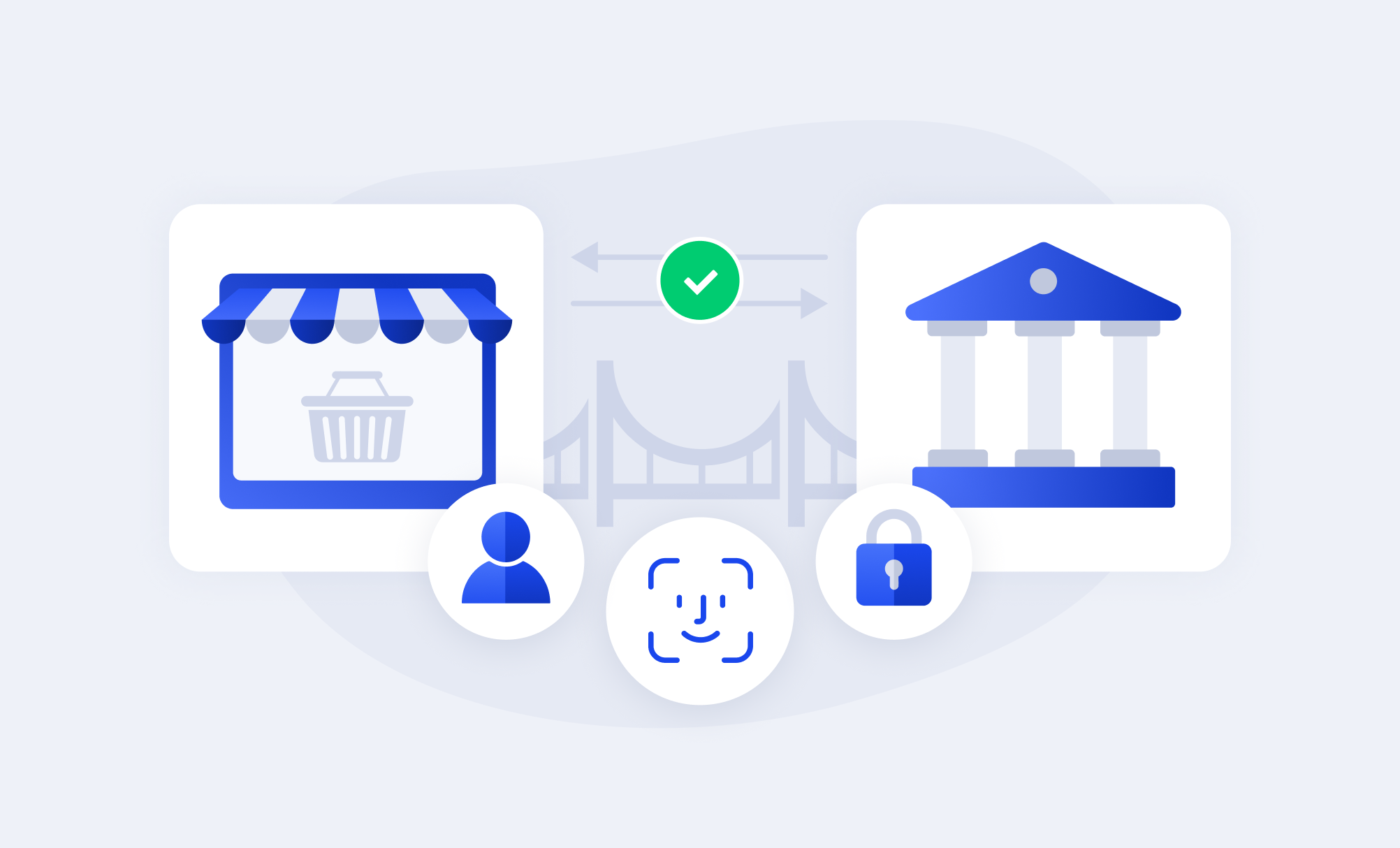
When a customer purchases online, the payment gateway platform is the bridge between the merchant and the bank. It captures the payment information and sends it to the bank using encryption and other security measures to protect sensitive information. Then, it communicates with the client’s bank to authorise the payment and ensures the funds are transferred to the merchant’s account.
As it supports different payment methods, including digital wallets and credit/debit cards, adding a new secure payment method to the payment gateway platform will only accommodate the various customer preferences and the convenience of merchants.
An open banking solution for a treasure trove of benefits

Efficiency and security
One of the primary advantages of open banking for payment gateways is the increased efficiency and security it provides by allowing direct transfers, which results in faster settlements for merchants and a more seamless payment experience for customers.
The “2024 Global Fraud and Payments Report” by the Merchant Risk Council and Visa shows that merchants worldwide reported that at least 3% of their accepted e-commerce orders were fraudulent, with an increase from last year. Nowadays, due to innovative technologies, fraudsters can quickly adapt to new strategies, despite businesses’ best efforts to implement more secure measures.
As a result, a stronger, stricter, and more reliable option is required. Open banking leverages strong customer authentication (SCA) methods to ensure that transactions are secure and that only authorised entities can access financial data. It employs advanced encryption techniques to protect data during transmission, reducing the risk of interception and fraud. Additionally, real-time monitoring and analytics help detect and prevent suspicious activities promptly.
As an ISO 27001-certified company, Salt Edge uses the highest international security measures to ensure the safety of customers’ information and payment transactions.
Global connection
Another benefit of open banking for payment gateways is its expanded market access. Open banking enables connections with various financial institutions and user accounts, broadening their market reach and allowing payment gateways to offer services to a more diverse and global customer base.
Greater connectivity also means that businesses, and more precisely, merchants, can accept payments from customers regardless of their bank or geographic location and offer more flexible and varied payment options, addressing the preferences of a wider audience.
Implementing Salt Edge’s Payment Initiation solution, one of our clients, ConnectPay, an EMI offering a one-stop-shop solution for all payment facilities, integrated multiple bank APIs across Germany and the Netherlands, where important financial institutions that serve their customers operate. In this way, instead of integrating banks one at a time, ConnectPay can now reach the countries’ most popular banks with a one-size-fits-all approach.
Increased customer experience and loyalty
The improved customer experience that open banking payments can offer is the last but certainly not the least significant factor. Ravelin’s “Fraud & Payment Survey 2024” indicated that more than 37% of surveyed businesses reported a drop in customer satisfaction or churn due to fraudulent activity. This highlights the importance of implementing secure measures to provide peace of mind for both customers and merchants, as well as keep clients satisfied.
Aside from being one of the most secure and compliant payment options, open banking payments also reduce the cost and complexity of user refunds, allowing for faster and more cost-effective transfers, streamlining the refund process, and lowering transaction fees.
In the “2024 Global Fraud and Payments Report”, one of the top reasons for adding a new payment method was that 60% of merchants answered to improve the customer experience, followed by 52% to reach new customer markets. This denotes how vital customer satisfaction and market reach expansion are for businesses, along with secure measures in place to prevent fraud.
Navigating the challenges
Together with innovative benefits, payment gateway businesses must consider certain factors before adopting an open banking solution. Regulation is among the most important. Regulatory requirements vary by region, each with a complex and different set of rules and compliance obligations. To ensure they are operating within the law, payment gateways would need to invest time and resources to investigate these regulations in the areas in which they are interested. Failure to comply can result in legal penalties, loss of client trust, and potential business interruptions.
Another consideration is choosing the right open banking provider. Payment transactions include sensitive and confidential user financial data, and selecting the right partner to operate with these is crucial. Payment gateways must choose their provider with due diligence, evaluating their reliability, security standards, and compliance with regulations.
Open banking can add a layer of strong safeguarding to the already existing protection the payment gateways provide for online transactions. With fraud increasing in payments, considering all the security measures is a must as we deal with users’ financial and personal information. Choosing a reliable open banking provider, like Salt Edge, will ensure compliance with all the regulatory requirements, the highest security standards for clients’ data protection and an increased competitive proposition to make the business a more attractive choice in the market.
Final thoughts
Protecting the users’ financial and personal information should be at the forefront of all companies and providers. Open banking leverages the highest security standards, significantly reducing the risk of potential fraud and other concerns. It enables secure and fast payment transactions, reduces the risk of chargebacks, and ensures the smooth movement of funds.
Implementing an open banking solution is not an easy task, but with the right partner, it’s a piece of cake. Salt Edge is a one-stop shop for open banking solutions, which allows payment gateway businesses to leverage a new SaaS cutting-edge technology that fosters continuous improvement and innovation, enhanced competitiveness, and increased customer satisfaction for both merchants and customers.
Have you considered open banking technology as a way to increase your business’ efficiency? Get in touch with us!
Newsletter
Subscribe to receive our latest news and updates
By submitting your email address you agree to receive emails from Salt Edge in accordance with Terms of Service and Privacy Policy.